

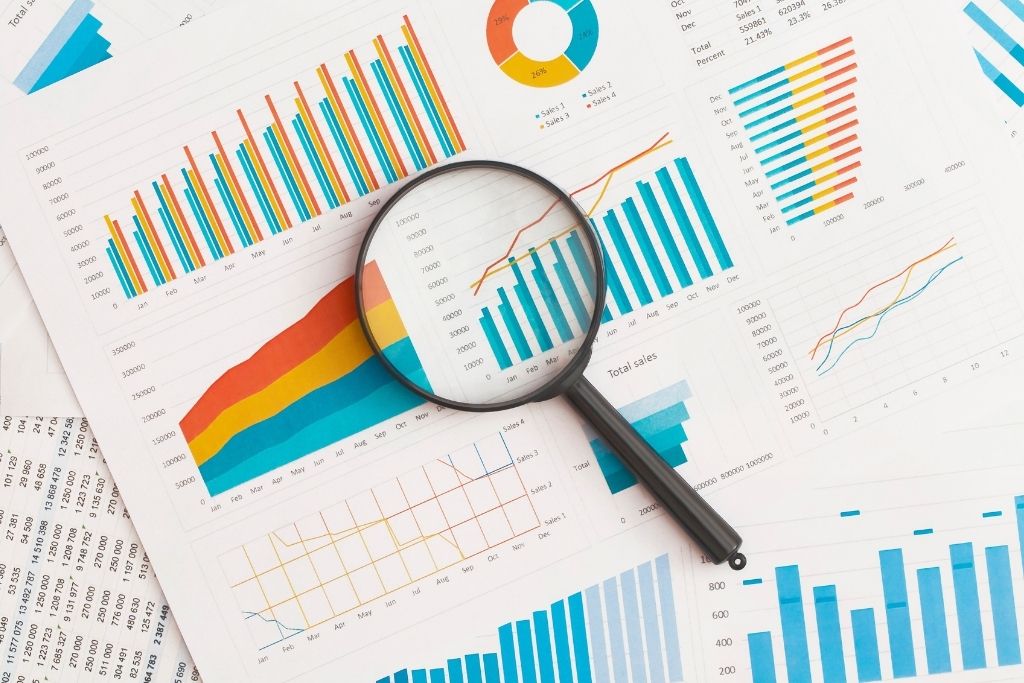
Many small business owners think of financial reports as paperwork that only matters during tax season. In reality, these reports are some of the most powerful tools you have for guiding decisions, identifying opportunities, and building a stronger, more profitable business.
When you understand what your financial reports are telling you — and how to use that information strategically — you gain clarity, confidence, and control over your business’s future. Instead of guessing what’s working, you can rely on real data to make smarter choices.
What Are Financial Reports and Why Do They Matter?
Financial reports provide a clear picture of your company’s financial health. They track how money moves through your business, how profitable your operations are, and whether your current strategies are sustainable long term.
Consistent financial reporting helps you:
- Understand your true profitability
- Monitor spending and control expenses
- Maintain healthy cash flow
- Prepare for tax obligations
- Make informed growth decisions
- Demonstrate financial stability to lenders or investors
Without accurate reporting, business decisions often rely on assumptions instead of facts — which can lead to missed opportunities or unnecessary risks.
Key Financial Reports Every Business Owner Should Know
Profit and Loss Statement (Income Statement)
Your profit and loss statement shows how much revenue your business generates and how much you spend to operate. It highlights whether you are actually making money after expenses.
A P&L report helps you:
- Track monthly and yearly profitability
- Identify rising costs or declining revenue
- Evaluate which services or products perform best
- Make pricing and budgeting decisions
Regularly reviewing this report can help you quickly spot financial trends and adjust your strategy before small issues become bigger problems.
Balance Sheet
The balance sheet provides a snapshot of your company’s financial position at a specific moment in time. It outlines what your business owns (assets), what it owes (liabilities), and your overall equity.
Understanding your balance sheet helps you:
- Measure financial stability
- Evaluate debt levels
- Monitor business growth over time
- Prepare for funding opportunities
A strong balance sheet signals to lenders and partners that your business is financially responsible and well-managed.
Cash Flow Report
Cash flow is one of the most important indicators of business health. Even profitable businesses can struggle if cash isn’t flowing consistently.
Cash flow reports help you:
- Track when money enters and leaves your business
- Prepare for slow seasons or unexpected expenses
- Avoid cash shortages that disrupt operations
- Plan payroll, investments, and major purchases
Monitoring cash flow regularly ensures your business remains stable and prepared for growth.
How Financial Reports Support Strategic Growth
Financial reports aren’t just historical documents — they help shape future decisions. When used correctly, they provide a roadmap for sustainable expansion.
1. Improve Decision-Making
Instead of relying on intuition alone, financial reports allow you to evaluate decisions based on real performance data. You can confidently decide when to hire employees, invest in equipment, or expand services.
2. Identify Growth Opportunities
Detailed reports help reveal which services, products, or customer segments are most profitable. With this insight, you can focus your marketing and resources where they deliver the greatest return.
3. Monitor Performance Over Time
Comparing reports month-to-month or year-over-year allows you to track progress and evaluate whether your strategies are working. Consistent reporting makes it easier to recognize patterns and adjust quickly.
4. Strengthen Financial Planning
Financial reports provide the data needed for accurate forecasting and budgeting. By understanding past performance, you can plan future investments with greater confidence.
Financial Reports and Business Funding
If you plan to apply for loans, attract investors, or secure partnerships, strong financial reporting is essential. Lenders and investors rely on accurate financial statements to assess risk and determine whether your business is financially stable.
Well-prepared reports demonstrate:
- Consistent revenue and profitability
- Responsible financial management
- Long-term growth potential
- Clear financial organization
Maintaining accurate reports year-round ensures you’re always prepared when opportunities arise.
Turning Financial Data into Actionable Insights
Simply generating reports isn’t enough — understanding what they mean is what drives results. Many business owners benefit from working with a bookkeeping or outsourced financial services team that can interpret the numbers and provide strategic guidance.
Financial professionals can help you:
- Analyze trends and identify patterns
- Create customized reports for your goals
- Develop realistic budgets and forecasts
- Improve profitability and efficiency
- Build long-term growth strategies
When your financial data is translated into clear, actionable insights, it becomes one of your most valuable business tools.
Best Practices for Using Financial Reports Effectively
To get the most value from your reports:
- Review financial reports monthly — not just annually
- Compare data over time to identify trends
- Set measurable financial goals and benchmarks
- Keep your bookkeeping accurate and up to date
- Use technology to automate reporting and tracking
- Schedule regular financial reviews with your team or advisor
Consistency is key. The more familiar you become with your numbers, the more confident you’ll feel making business decisions.
Final Thoughts
Financial reports are more than accounting documents — they are the foundation of smart business growth. By understanding your profit and loss, balance sheet, and cash flow, you gain a clearer picture of where your business stands and where it can go next.
When you use financial reporting as an ongoing strategy rather than a once-a-year task, you empower yourself to make stronger decisions, reduce risk, and build a more resilient and profitable business.
With accurate reporting, consistent review, and the right financial support, your numbers become more than data — they become a roadmap for success.